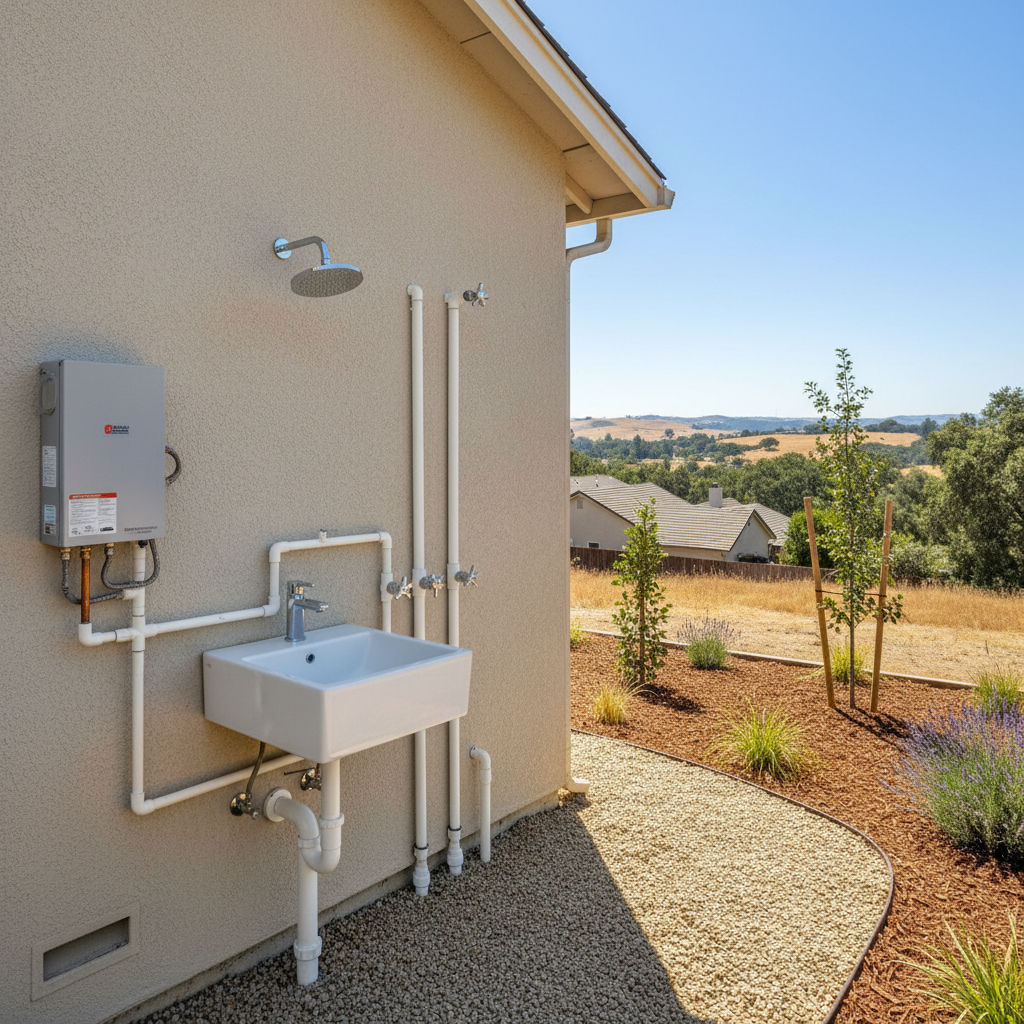
Alright, let's talk about plumbing projects. Whether you're just doing a small update or a complete re-pipe, getting ready for plumbing work in your Fair Oaks home can feel like a really big deal. And, honestly, it doesn't have to be a nightmare if you plan things out right. I've seen enough projects over the years to know what makes them sail smoothly and what brings them to a screeching halt. Here's my take on what you really need to know.
Understanding the Timeline: How Long Will This Take?
Nobody likes surprises, especially when it comes to how long a project will last, right? So, let's just set some realistic expectations. How long your plumbing project takes really depends on what kind of work needs doing. A small repair, maybe fixing a leaky faucet or clearing a clogged drain, might only take a few hours. But the bigger jobs? That's a whole different story.
- Minor Repairs/Fixture Swaps: These usually wrap up pretty quickly—think anywhere from a few hours to a full day. If you're just swapping out a toilet or a sink in the same spot, it generally goes pretty fast.
- Rough-in Plumbing (new pipes behind walls): This is when the main supply lines, drain pipes, and vent stacks get put in. For a typical remodel, this stage alone could take 3 to 7 days. It really just depends on how complicated your system is and how big your home is. This part happens after the framing is done but before any drywall goes up, naturally.
- Fixture Installation & Finishing: Once the rough-in is complete and inspections pass, we're talking about putting in your sinks, toilets, showers, and hooking up appliances. This can add another few days, especially if you picked out custom fixtures or some high-tech stuff.
- Full Bathroom Remodel: If you're doing a total overhaul, new plumbing included, you're probably looking at about 4-6 weeks total. That covers everything: demolition, rough-in, tiling, and getting those final fixtures installed.
- Permits: Oh, don't forget these! Most major plumbing remodels will need permits from the local authorities. Getting those permits approved can add anywhere from 1 to 4 weeks to your overall timeline. Sometimes even more, depending on how busy the city is, which is just how it goes.
It's always smart to build in a little extra time, maybe 10-20% of the total project duration, just for unexpected stuff. Sometimes we open up a wall and find something absolutely nobody could have predicted, especially in older Fair Oaks homes with their original galvanized or cast-iron pipes. What a mess that can be!
What to Expect During the Process
So, what's it actually like having plumbers in your home? Here’s the real scoop:
- Disruption: Let's be honest, plumbing work isn't quiet. There will be noise, dust, and your water might get shut off now and then. For bigger projects, certain parts of your home might not be usable for a bit. If it's a bathroom remodel, you might need to figure out where else everyone will, you know, go.
- Phased Work: Plumbing projects usually follow a few key stages: underground (if that applies), rough-in (behind walls), and then finishing (fixtures). Each stage gets its own inspections.
- Inspections: This is a super important step. After the rough-in, an inspector will come out to make sure everything behind the walls meets code before anything gets covered up. This keeps things safe and working right.
- Unforeseen Issues: This is exactly why that buffer time comes in handy. Old homes, especially those classic Fair Oaks ranch-style places, can hide some real surprises. We might find water damage, mold, or pipes that don't meet today's codes once we start opening things up. A good contractor will tell you about these findings right away and give you a written change order.
- Cleanup: A professional team, like us at Coastal Bathroom Solutions, will always tidy up the work area at the end of each day. And we do a thorough cleanup when the project's all done.
How to Prepare Your Home
You can actually make the whole process smoother for everyone involved by doing a little prep work yourself:
- Clear the Area: Move furniture, decorations, and anything valuable out of the work zone. Cover anything that can't be moved to protect it from dust.
- Protect Your Floors: Lay down drop cloths or old sheets on the path from the entrance to the work area.
- Secure Pets & Kids: Keep pets in a safe, separate area. And make sure the kids know to stay far away from the construction zone.
- Plan for Water Shut-offs: If your project means the main water will be turned off, plan your day around it. Fill up some pitchers of water, maybe shower the night before.
- Communicate: Talk to your contractor about getting into your home, work hours, and any specific worries you might have.
Crucial Questions to Ask Before Signing a Contract
This is where you really protect yourself and your investment. Don't be shy about asking these questions:
- Are you licensed and insured? This isn't optional. Ask for their license number and check it with the California State License Board (CSLB). Also, ask for proof of general liability insurance and bonding. This protects you if something goes wrong.
- Can I get a detailed written estimate? This estimate should break down all the costs: labor, materials, permit fees, and any potential extra charges. You really don't want hidden fees popping up later, do you?
- Who will actually be doing the work? Sometimes the person who gives you the estimate isn't the one doing the work. Ask if they use employees or subcontractors, and if a licensed master plumber will be supervising the job.
- What's the estimated timeline, and what could cause delays? Get a realistic timeframe. A good contractor will explain things like inspections, how long it takes to get materials, and potential unforeseen issues.
- What about permits? Who handles them? Most significant plumbing work needs permits. Your contractor should be able to tell you exactly what permits are needed and if they'll handle applying for them. In California, any work on a gas line, full re-pipes, sewer line repair/replacement, or new fixture rough-ins always needs a permit.
- Do you offer a warranty on your work? A reputable contractor will stand behind their labor. Ask what's covered and for how long.
- How do you handle unexpected issues or change orders? Things happen. You want a clear process for how they'll tell you about problems and get your approval for any extra costs before moving forward.
- What are your payment terms? Understand the payment schedule—is it a flat rate, hourly, or based on milestones? For bigger projects, paying in stages tied to completion is pretty common.
- Can you provide references? It's always a good idea to hear from past clients.
Planning a plumbing project in Fair Oaks, especially with our clay-heavy soil and those mature tree roots that just love finding their way into older sewer lines, means you need a team that really gets local conditions. Taking the time to ask these questions and get your home ready will save you a ton of stress and make sure your project with Coastal Bathroom Solutions, or any other contractor, goes as smoothly as possible.