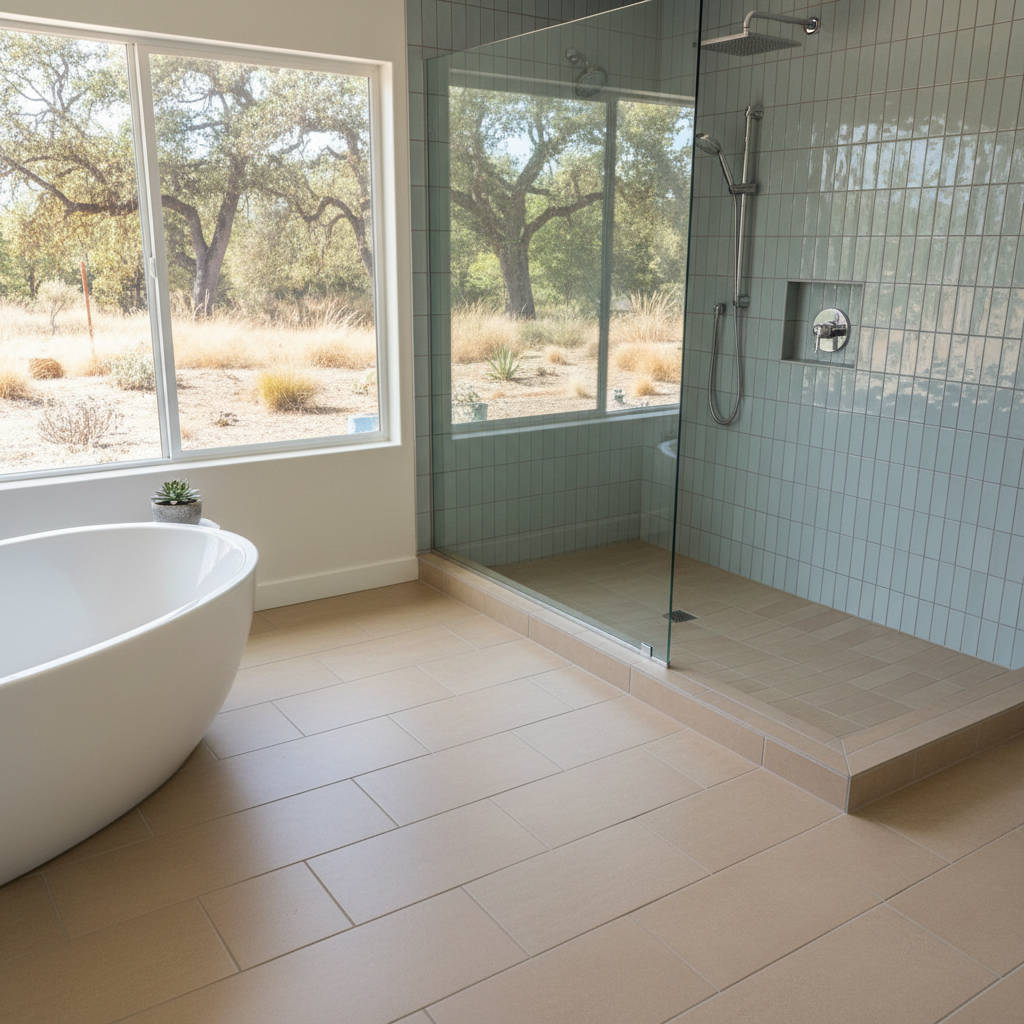
Alright, so you've just invested in some gorgeous new tile or flooring for your home here in Fair Oaks. Maybe it's a stunning porcelain in the kitchen, some durable LVP throughout the living areas, or even classic hardwood. Whatever it is, you want it to last, right? You want it to look as good in five years as it does today. And you know what? With a little know-how and some consistent care, it absolutely can.
I've been in this business a long time, and I've seen firsthand what makes floors last and what makes 'em wear out fast. It usually comes down to how you treat 'em. It's not rocket science, but there are definitely some common mistakes folks make.
Extending the Life of Your Flooring
The biggest thing you can do to extend the life of your flooring starts right at the front door. Think about it: our Fair Oaks soil, especially after a good rain, can be pretty gritty. That grit, when tracked inside, acts like sandpaper on your floors. It'll scratch up hardwoods, dull the finish on LVP, and even wear down the grout lines on your tile.
- Mat Up: Get good quality doormats, both inside and outside your entryways. They trap a surprising amount of dirt. Shake them out regularly.
- No Shoes Inside: This is a big one, especially if you've got kids running in and out. Seriously, just take 'em off. Your floors will thank you.
- Furniture Pads: If you're sliding chairs around, moving tables, or even just have heavy furniture sitting directly on your floors, you need felt pads. They're cheap, easy to apply, and prevent scratches and dents. Don't skip 'em.
- Clean Spills Immediately: This seems obvious, but I'm talking about more than just a quick wipe. For tile grout, acidic spills like juice or wine can etch the grout if left too long. For wood or LVP, standing water is a killer. Blot, don't rub, and make sure it's completely dry.
Regular Maintenance: What It Looks Like
This isn't about deep cleaning every weekend, but consistent, gentle care goes a long way.
- Sweep or Vacuum Often: For most hard surfaces, a soft-bristle broom or a vacuum with a hard floor attachment is your best friend. Do it a few times a week, especially in high-traffic areas. This gets rid of that abrasive grit before it can do damage.
- Damp Mop, Don't Drench: When it's time to mop, use a barely damp mop. Too much water can seep into grout lines, warp wood, or even get under LVP planks and cause issues. For tile, a pH-neutral cleaner is usually best. For LVP, often just water or a manufacturer-recommended cleaner is all you need. Hardwood floors usually require specific wood floor cleaners – never use harsh chemicals or steam mops on them unless explicitly approved by the manufacturer.
- Grout Sealing (for Tile): If you've got natural stone tile or unsealed grout, you'll want to reseal it every 1-3 years depending on traffic and how much you clean. This protects it from stains and moisture. We always seal grout when we install tile at Coastal Bathroom Solutions, but it's not a one-and-done thing forever.
- Avoid Harsh Chemicals: Bleach, ammonia, abrasive cleaners – these are bad news for almost all flooring types. They can strip finishes, discolor grout, and generally shorten the life of your floors. Stick to gentle, pH-neutral options.
Warning Signs of Problems
Catching issues early can save you a lot of headache and money. Keep an eye out for these:
- Cracked or Loose Tiles: A single cracked tile might just be a fluke, but several in one area could point to subfloor movement or an installation issue. Loose tiles mean the adhesive has failed, and moisture can get underneath.
- Grout Discoloration or Cracking: If your grout is suddenly dark, moldy, or crumbling, it's a sign that moisture is getting in. This is especially critical in bathrooms and kitchens.
- Scratches, Dents, or Dulling: While some wear is normal, excessive scratching or a dull finish on LVP or hardwood might mean your maintenance routine isn't quite cutting it, or you're using the wrong cleaning products.
- Cupping or Crowning (Hardwood): If your hardwood planks are bowing upwards at the edges (cupping) or in the middle (crowning), it's almost always a moisture issue. This is serious and needs immediate attention.
- Separating LVP Planks: If the seams between your luxury vinyl planks are opening up, it could be due to extreme temperature fluctuations (common with our hot Fair Oaks summers if the AC isn't consistent) or improper installation.
When to Call a Professional
Look, I'm all for DIY, but some things are best left to the pros. Don't hesitate to call someone like me if you see:
- Widespread Cracking or Lifting: If you've got more than a couple of cracked tiles, or large sections of flooring are lifting, that's a bigger problem than a simple patch job. It could be a subfloor issue or even structural.
- Persistent Moisture Problems: You've got standing water, mold, or a constant damp smell around your floors, especially in a bathroom. This needs to be investigated quickly to prevent extensive damage.
- Major Damage from Accidents: A burst pipe, a significant flood, or a large area of deeply scratched or gouged flooring. We can often repair or replace sections without tearing out the whole thing, but it takes expertise.
- You're Unsure: Honestly, if you're looking at something and you're just not sure what's going on, or you're worried about making it worse, just give us a call. It's always better to get a professional opinion early than to wait until it's a much bigger, more expensive fix.
Taking good care of your floors isn't just about keeping them pretty; it's about protecting a significant investment in your home. A little effort now saves a lot of trouble later. If you've got questions about your specific flooring or you're seeing some of those warning signs, don't hesitate to reach out. We're here to help folks in Fair Oaks keep their homes looking great.